
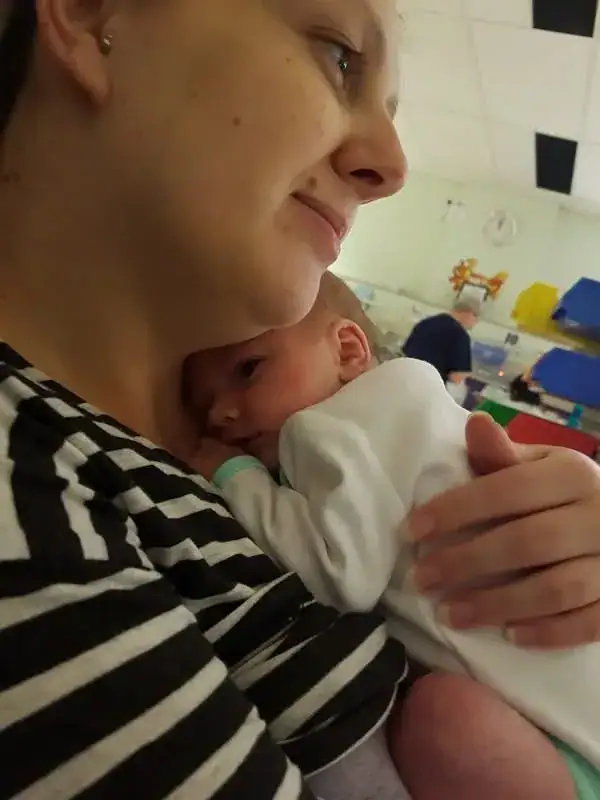
When we prepare for a baby, so much focus is placed on pregnancy and birth. We buy the cute little clothes, pack the hospital bag, attend appointments and prepare for the arrival of our little one.
But what about the weeks and months after birth?
The fourth trimester is the first 12 weeks after your baby is born — a huge physical, emotional and mental adjustment for both you and your baby. While your baby is learning how to live outside the womb, you are learning how to become a mum, recovering from birth, navigating feeding, sleep changes and a completely new identity.
This journey can be beautiful, overwhelming, exhausting and emotional — sometimes within the space of a single day.
Your baby is still adjusting to the outside world
For nine months, your baby was held, rocked, kept warm and constantly connected to you. It’s completely normal for newborns to want to be close to you almost all the time.
During the fourth trimester, your baby may:
- Want frequent cuddles and contact
- Wake often for feeds
- Prefer being held or worn
- Cry when put down
- Need help settling as they adjust to life outside the womb
This isn’t “creating bad habits” — your baby is adjusting to a new world and finding comfort in you.
Your body needs time to recover
Growing and birthing a baby is a huge physical experience. Whether you had a vaginal birth or caesarean birth, your body has gone through significant changes and deserves time, patience and support.
During the early weeks, recovery may include:
- Healing from tears, stitches or surgery
- Hormonal changes
- Pelvic floor recovery
- Rebuilding core strength
- Adjusting to new movement patterns
There is no race to “bounce back”. Your body has done something incredible, and recovery is a process, so be patient and kind to yourself as you heal.
The fourth trimester is about support, not doing everything yourself
Many new mums feel pressure to have everything under control, but motherhood was never meant to be done alone.
Support can look like:
- Accepting help with meals, cleaning or errands
- Having someone to talk to
- Connecting with other mums going through a similar stage
- Asking questions without fear of judgement
Finding your village can make a huge difference.
Babywearing can help you and your baby bond
Babies are designed to be close to their caregivers, and babywearing can be a wonderful tool during the fourth trimester.
A suitable carrier can allow your baby to:
- Feel secure and comforted
- Hear your heartbeat and voice
- Be close while you move through your day
Babywearing can provide freedom to have your hands free while still meeting your baby’s need for closeness. It can be especially helpful if you also have an older child or toddler to care for — allowing you to comfort and bond with your newborn while still being able to chase after a busy toddler, prepare meals, or manage the everyday moments of life.
Safe positioning and choosing the right carrier are important, which is why a babywearing consultation can help you feel confident using your carrier.
Moving your body after birth
Returning to exercise after having a baby should be about rebuilding strength, confidence and connection with your body — not rushing back to where you were before.
Every mum’s recovery journey is different. Factors such as your birth experience, pelvic floor health, core recovery, sleep and energy levels all play a role.
Gentle movement, breathing exercises and postnatal-specific exercise can help support your recovery when your body is ready.
Programs like Kangatraining are designed specifically for mums, combining safe postnatal exercise, babywearing and the opportunity to connect with other mums.
Looking after your mental health matters
The fourth trimester can bring a huge range of emotions. Feeling tired, teary or overwhelmed at times can be part of adjusting to motherhood, but you don’t have to struggle alone.
Make time for:
- Rest whenever you can
- Getting outside
- Talking with people who support you
- Doing things that help you feel like yourself again
If you’re finding things difficult, or your feelings of sadness, anxiety or overwhelm aren’t improving, reach out for support. Speaking with your GP, Child and Family Health Nurse or another trusted healthcare professional is a great first step. There are also wonderful organisations such as PANDA (Perinatal Anxiety & Depression Australia), COPE (Centre of Perinatal Excellence) and Gidget Foundation Australia, which provide information, resources and support for expecting and new parents.
Remember, asking for help is a sign of strength, not weakness. Looking after your mental health is just as important as looking after your physical recovery.
You are learning together
There is no perfect way to be a mum. Every baby is different, every birth story is different, and everybody’s journey looks different.
The fourth trimester is not about getting everything right — it’s about learning, healing, bonding and finding your rhythm together.
Remember:
Your baby doesn’t need a perfect mum. They need you.